The Om programming language
Learn to write OmA compiled systems language with Rust's ownership model, no garbage collector, no lifetime annotations, and less to type.
Early and experimental. Everything on this site runs on today's compiler unless it is marked in review or planned.
fn fib(n: i64) -> i64 {
    if n < 2 { n } else { fib(n - 1) + fib(n - 2) }
}

fn main() {
    let name = "Om"
    print("Hello, {name}!")
    print("fib(20) = {fib(20)}")
}
$ om run hello.om
Hello, Om!
fib(20) = 6765Install in a few minutes
Om is built from source for now. You need Rust, Git and a C compiler for linking. The repository is private, so cloning needs a GitHub account with access.
# Debian / Ubuntu (Fedora: sudo dnf install gcc git)
sudo apt install build-essential git
curl --proto '=https' --tlsv1.2 -sSf https://sh.rustup.rs | sh

git clone https://github.com/agnsha/om
cd om
cargo install --path crates/omc
om run examples/hello.om
Full steps and troubleshooting: Install on Linux.
xcode-select --install          # clang and git
curl --proto '=https' --tlsv1.2 -sSf https://sh.rustup.rs | sh

git clone https://github.com/agnsha/om
cd om
cargo install --path crates/omc
om run examples/hello.om
Full steps: Install on macOS.
# Today: run Om inside WSL
wsl --install                   # as administrator, then restart
# open the Ubuntu app and follow the Linux steps
On main today, Windows uses WSL. Native PowerShell support (no WSL) is in review: see Om on Windows.
Pick a way to learn
One command does it all
The om command compiles your code to a native executable through Cranelift. There is no interpreter and no virtual machine.
om run   app.om          # compile and run
om build app.om -o app   # standalone executable
om check app.om          # type-check only, fastest
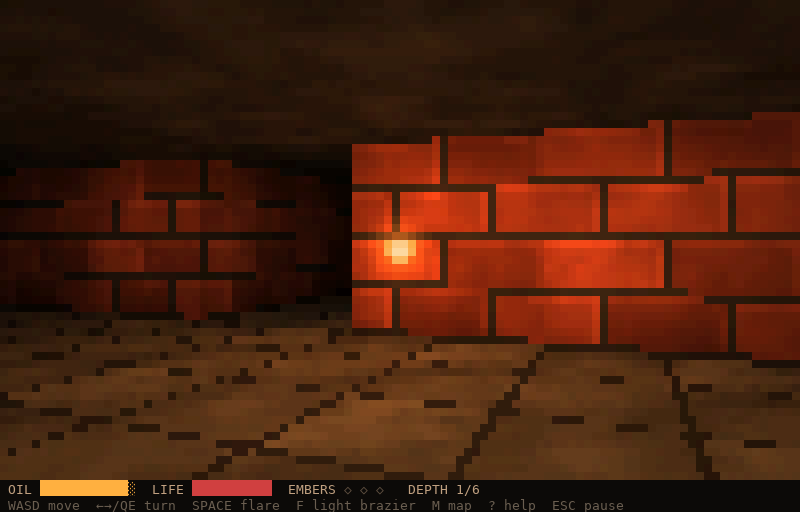
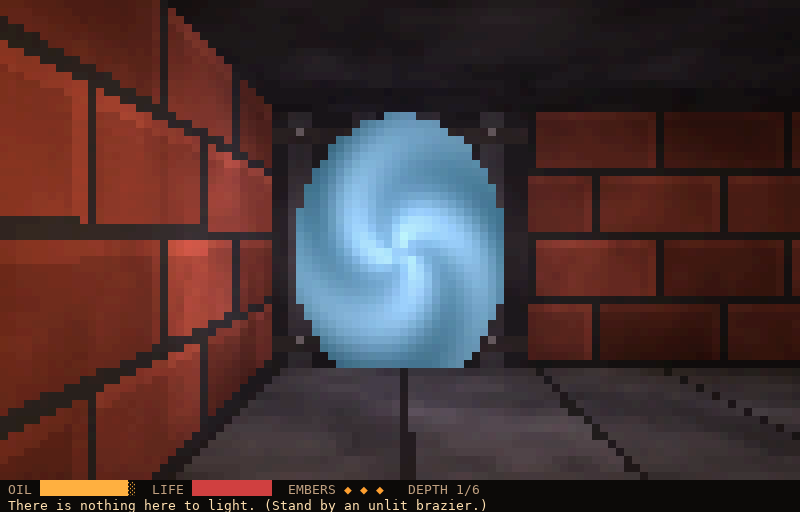
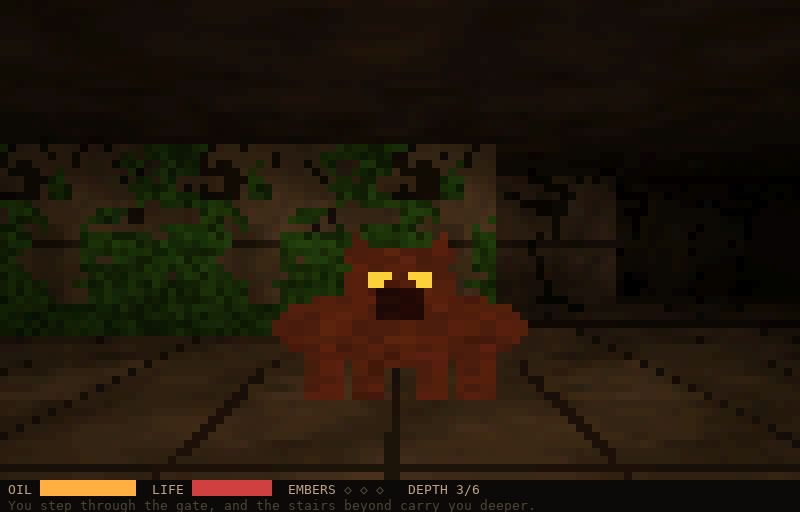
Two games written in Om in review
Emberdeep, a first-person 3D descent drawn in the terminal, and The Hollow Bell, a stealth roguelike of sound and spoken spells. Each is one Om file of a couple of thousand lines.